Explore our learning modules

Learning Modules

Speakers in the sessions will include well-known figures in the field of space science.

All modules

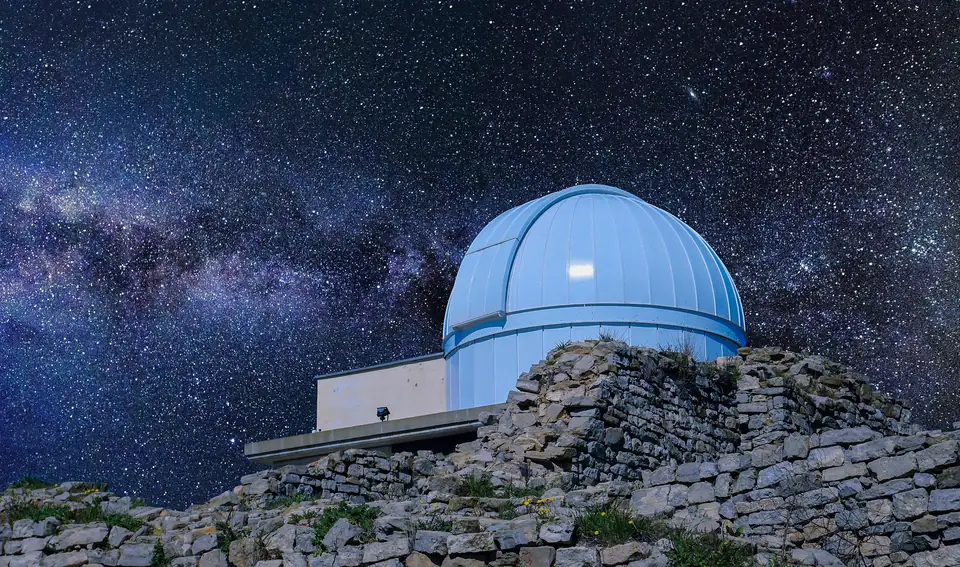
A pale blue observatory dome on a stone ridge under the Milky Way.

Module 1

Telescopes and Astronomical Observatories

Discover how astronomers observe the universe using powerful instruments on Earth and in space.

  • Working principles of optical telescopes
  • Radio telescopes and how they detect invisible signals from space
  • X-ray telescopes and high-energy cosmic phenomena
  • Major astronomical observatories in India
  • Space-based observatories and their role in modern astronomy
  • Multimessenger astronomy: exploring the universe through gravitational waves, neutrinos, and electromagnetic radiation
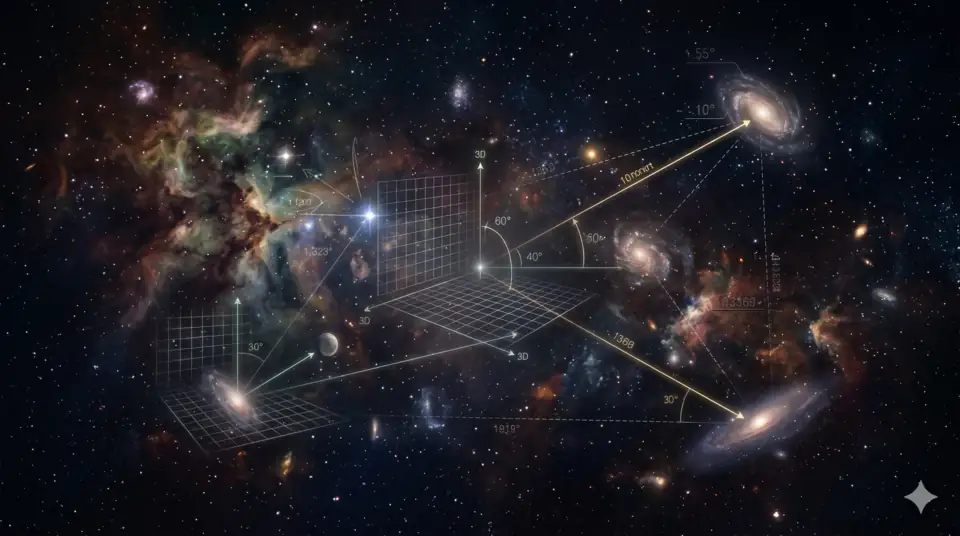
Illustration of galaxies and nebulae joined by lines and angle markings, showing how astronomers measure cosmic distances.

Module 2

Measuring the Cosmos

Explore how scientists determine the distances, movements, and properties of objects across the universe.

  • Measuring astronomical distances using stellar parallax
  • The standard candle method and cosmic distance measurements
  • Understanding stellar spectra and the information they reveal
  • The Doppler effect in astronomy
  • Measuring the velocities and movements of celestial objects
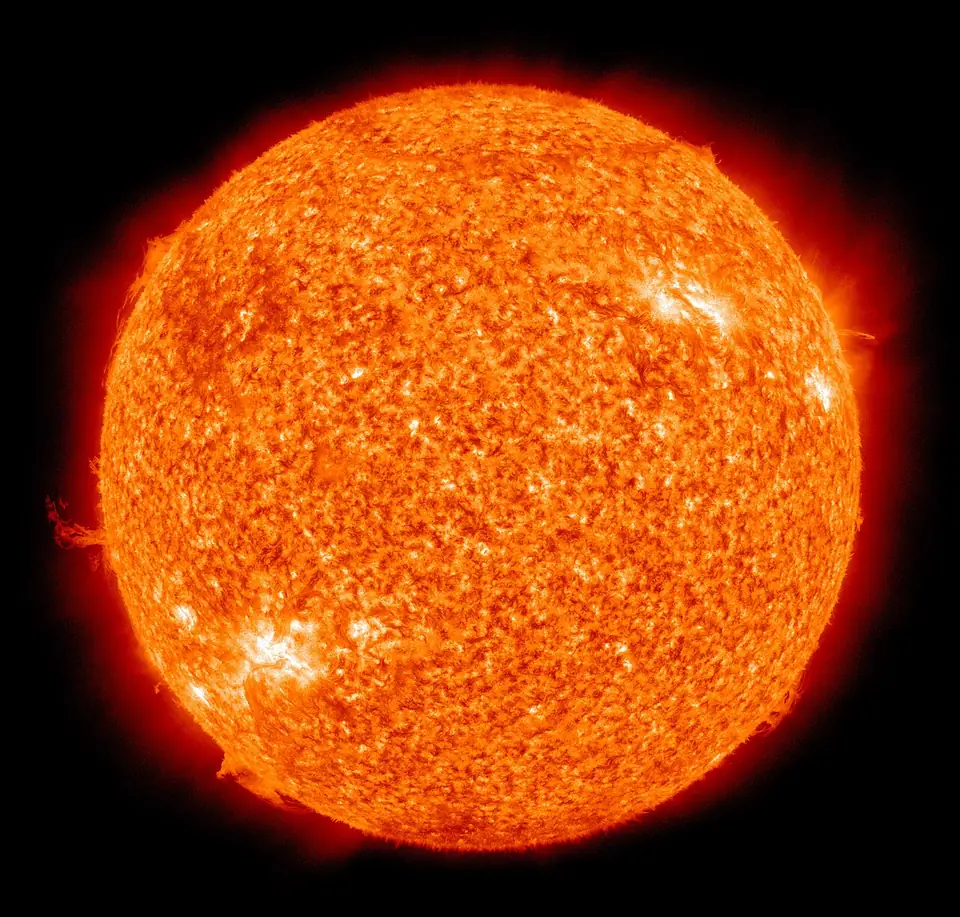
The Sun in extreme ultraviolet light, glowing orange with bright active regions.

Module 3

Stellar Evolution — The Life Cycle of Stars

Journey through the birth, life, and death of stars and discover how stellar processes shape the universe.

  • Formation of stars from interstellar gas and dust
  • Stellar properties: mass, temperature, luminosity, and composition
  • Introduction to nuclear fusion and basic nuclear physics
  • The structure and evolution of main-sequence stars
  • The Sun, solar activity, and space weather
  • The final stages of Sun-like stars and massive giant stars
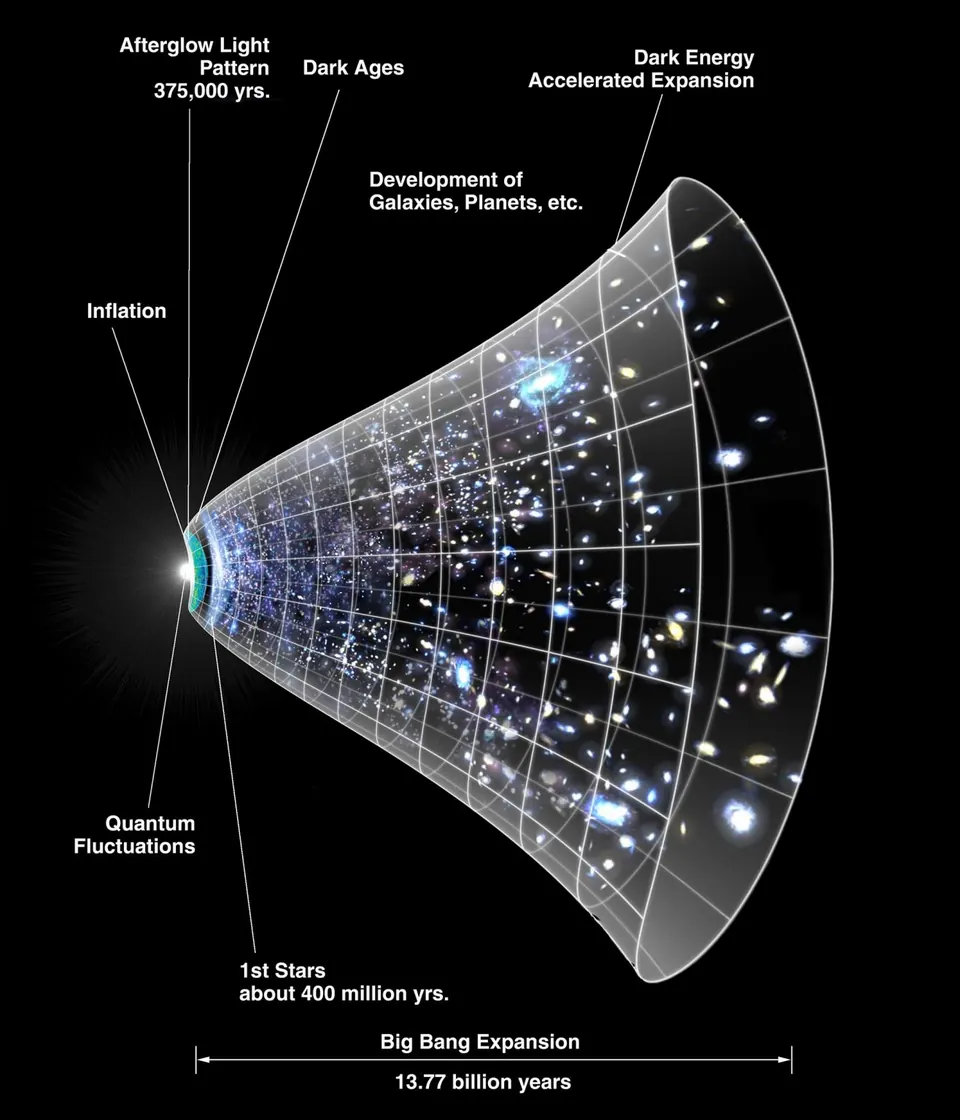
Timeline of the universe as a widening cone over 13.77 billion years, from quantum fluctuations and inflation through the afterglow light, dark ages and first stars to the development of galaxies and dark energy accelerated expansion.

Module 4

Cosmology and the Universe

Explore the origins, evolution, and large-scale structure of the universe.

  • Foundations of modern cosmology
  • The expanding universe and the Big Bang model
  • Dark matter and dark energy
  • Accelerated expansion of the universe
  • Large-scale cosmic structures: galaxies, clusters, and superclusters
  • Cosmological distance measures
  • Exoplanets and their place in the cosmic context
  • Unanswered questions and frontiers of modern cosmology

The daily schedule and speaker list will be announced soon.

Explore. Discover. Create. Innovate.

Join Space Safari 2026 and take your first steps into the universe!

December 27, 28 and 29, 2026 · Limited to 200 seats

Register Now

Register Now
WhatsApp us